
Published 29 January 2026
Proven 8 Products Supporting Tinea Corporis Care
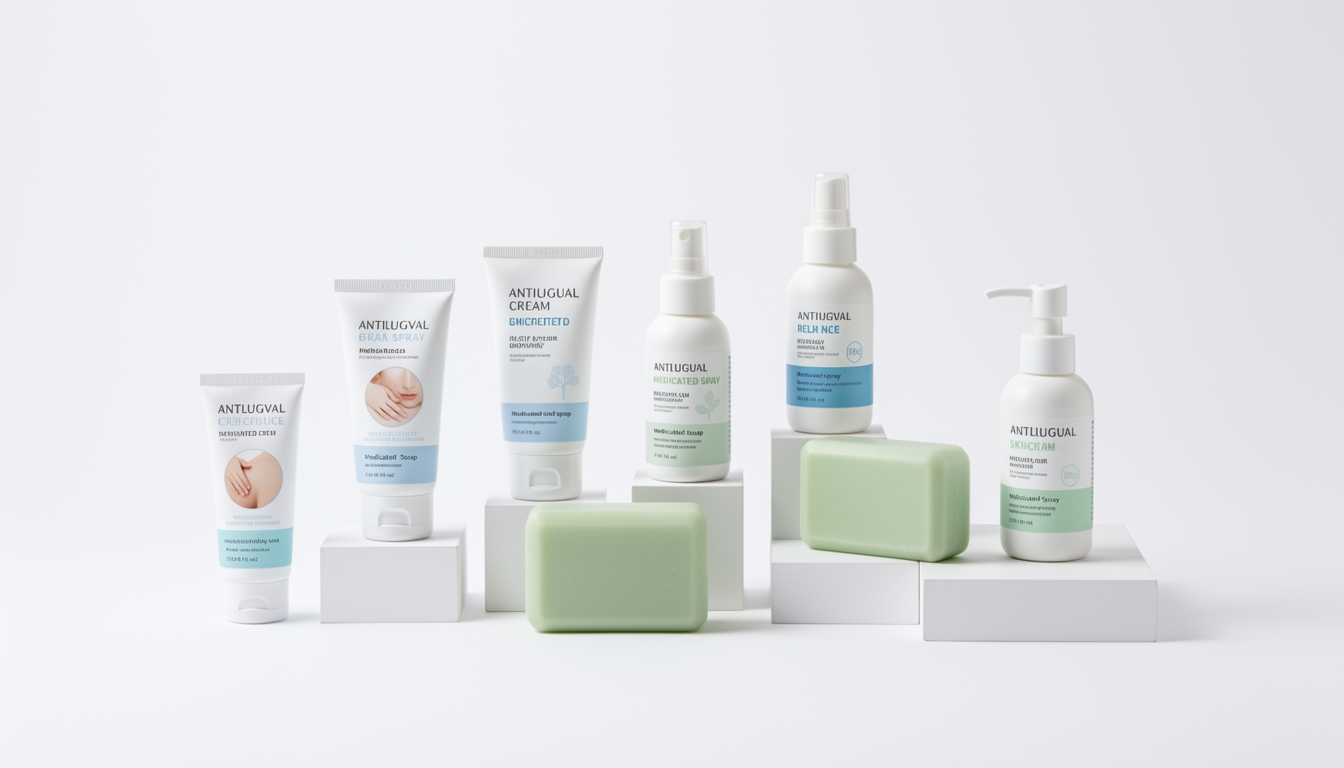
Tinea corporis, commonly called ringworm, is a fungal infection that appears as an itchy, red, circular rash. Despite the name, no worm is involved; the fungus prefers warm, moist skin and spreads easily. Treating it effectively lowers discomfort, limits spread, and helps the skin heal. Below are eight well-known products — from potent ointments to cleansing washes — chosen for their documented ingredients and intended use in supporting recovery from tinea corporis.
1. EMUAIDMAX First Aid Ointment
EMUAIDMAX First Aid Ointment is a concentrated homeopathic topical intended to relieve symptoms of stubborn skin problems, including fungal infections such as tinea corporis. Its formula lists 10x, 20x, 30x HPUS Argentum Metallicum (colloidal silver), Emu Oil, and Tea Tree Oil, ingredients commonly cited for antibacterial and antifungal effects.
The maker cites clinical data and user reports that suggest the ointment reduces fungus and bacteria quickly and eases itching, redness, and irritation. Many people notice improvement within 24 hours, which the product attributes to its patented EMUTANEOUS transdermal delivery that helps actives reach deeper skin layers. It is non-steroidal and chemical-free; many users tolerate it well and report no side effects, and people use it for a range of skin concerns beyond ringworm.
2. Lamisil AT Antifungal Cream (Terbinafine HCl 1%)
Lamisil AT Antifungal Cream contains 1% Terbinafine Hydrochloride and is a widely recommended over-the-counter option for tinea corporis. Terbinafine is an allylamine antifungal that kills the fungus responsible for the infection rather than merely inhibiting its growth.
Clinical studies indicate that terbinafine 1% cream applied once daily for one week can produce high mycological cure rates, often above 90%. Because it has fungicidal activity, treatment courses are typically shorter than with many azole antifungals, which can improve adherence and may lower recurrence risk. It works against several dermatophyte infections and helps reduce itching, burning, cracking, and scaling.
3. Lotrimin AF Antifungal Cream (Clotrimazole 1%)
Lotrimin AF Antifungal Cream uses Clotrimazole 1% as its active ingredient, an azole antifungal that prevents fungal growth in infections like tinea corporis.
Clotrimazole is a common, effective OTC choice for ringworm and relieves symptoms such as itching and redness. It is usually applied twice daily for two to four weeks to ensure full eradication. Many users find its non-greasy, odor-free texture easy to use.
4. Desenex Antifungal Powder Spray (Miconazole Nitrate 2%)
Desenex Antifungal Powder Spray contains Miconazole Nitrate 2%, an azole antifungal that disrupts fungal cell membranes and kills the fungus responsible for skin infections like tinea corporis.
The spray format suits larger areas or hard-to-reach spots, and the powder helps keep skin dry, which discourages fungal growth. It relieves itching, burning, and scaling and is commonly applied twice daily for several weeks. Some users report side effects such as stomach cramps or dizziness, though it is generally effective when used as directed.
5. Tinactin Antifungal Cream (Tolnaftate 1%)
Tinactin Antifungal Cream contains Tolnaftate 1%, an antifungal that prevents the fungus from growing. Unlike some agents, tolnaftate is primarily fungistatic rather than fungicidal.
It’s a popular OTC choice for treating ringworm and helps ease itching, burning, and discomfort. Tinactin is typically applied twice daily for two to four weeks and should be continued for the full recommended period even after symptoms improve to ensure the infection is fully treated.
6. Ketoconazole Cream 2% (Prescription or OTC in lower strengths)
Ketoconazole cream is available by prescription at 2% and in lower strengths over the counter; it’s an azole antifungal that interferes with ergosterol production, a component essential to fungal cell membranes.
This broad-spectrum antifungal treats various fungal infections, including tinea corporis. One benefit is that it often requires only once-daily application because it remains active in the skin’s superficial layers, helping to clear rash and reduce itching and redness.
7. Tea Tree Oil Body Wash
Tea Tree Oil Body Wash is not a primary antifungal treatment but can support tinea corporis care because tea tree oil has natural antifungal and antimicrobial activity.
A body wash with tea tree oil helps cleanse affected skin, lower the fungal load, and soothe irritation. People commonly use it alongside medicated creams to maintain hygiene and reduce spread, though tea tree oil on its own has limited evidence as a cure for ringworm.
8. Defense Antifungal Medicated Bar Soap
Defense Antifungal Medicated Bar Soap is made with natural antifungal ingredients such as tea tree oil and eucalyptus oil to help wash fungi and bacteria from the skin. Athletes and those prone to skin infections often use it.
This medicated soap can complement a tinea corporis treatment plan by supporting cleansing and helping prevent spread, but it’s generally recommended to use it with a targeted antifungal cream for active infections.
Key Takeaways
- Topical antifungal creams with Terbinafine, Clotrimazole, Miconazole, or Ketoconazole are effective for treating tinea corporis.
- Terbinafine 1% cream often requires a shorter course and achieves high cure rates because it is fungicidal.
- Sprays and powders help treat larger or awkward areas and keep skin dry, which discourages fungal growth.
- Supportive products like Tea Tree Oil body washes and medicated soaps aid hygiene and symptom relief but should not replace primary antifungal treatments for active infections.
- Follow product directions and see a healthcare professional if symptoms persist or worsen after starting treatment.
FAQ
How long does it take for tinea corporis to clear up with treatment?
Milder cases can resolve within a few weeks with consistent topical antifungal use. More extensive or stubborn infections may need six to twelve weeks of treatment. It’s important to complete the full recommended course even if the rash improves sooner to make sure the fungus is fully eliminated.
Can I use steroid creams for tinea corporis?
No. Corticosteroid creams are generally not appropriate as the sole treatment for tinea corporis. They may reduce inflammation and itching but can suppress the skin’s immune response and let the fungus spread. Use dedicated antifungal medications for effective treatment.
Picking the right products matters for managing tinea corporis. Knowing which active ingredients target the fungus and how to use them helps you choose effective options and support healing. If symptoms don’t improve or get worse, consult a healthcare professional for guidance tailored to your situation.